The right garage door opener depends on three things: your door's size and weight, how close the garage is to bedrooms, and the features you actually want. Here is how to choose without overpaying.
Belt drive vs chain drive
- Belt drive. A reinforced rubber belt moves the door almost silently. The right choice when the garage sits under or beside living areas, or for early starts that should not wake the house. Slightly dearer than chain.
- Chain drive. A metal chain, like a bicycle chain, drives the trolley. Proven, durable and the most affordable, but noticeably louder. Fine for detached garages.
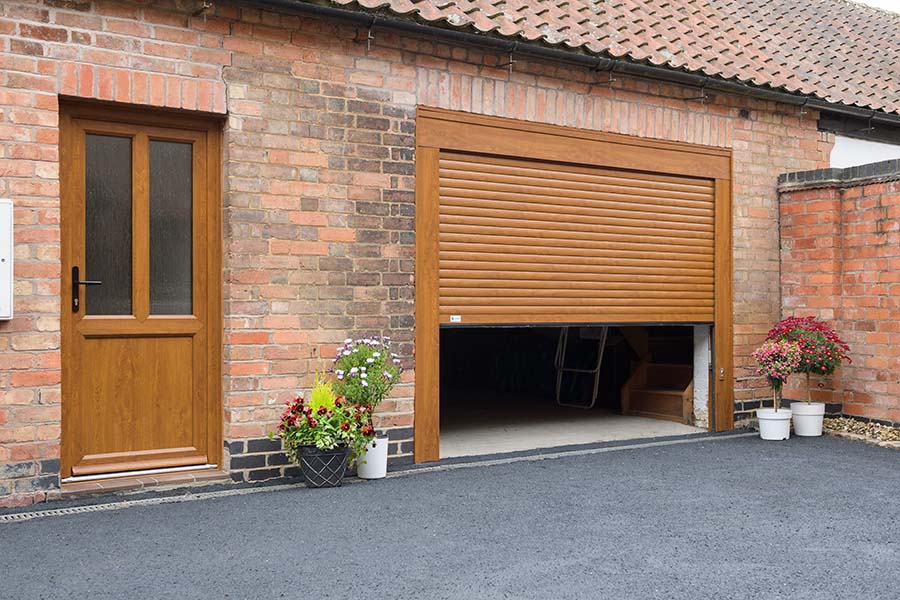
- Roller door motors. Roller doors use a compact drum motor mounted beside the curtain instead of a ceiling rail. If you are still choosing a door style, start with our sectional vs roller comparison.
Get the motor power right
Opener strength is rated in newtons. As a rule of thumb: 600 to 800 N suits a standard single or lightweight double door, while heavier doubles, timber-look panels and insulated doors want 1,000 N or more. Cedar doors are the heavy end and need the motor sized to match. An underpowered motor works at its limit every cycle and dies young.
Features worth paying for
- Rolling-code remotes. The remote code changes on every press, blocking code-grabbing. Standard on all quality openers we install.
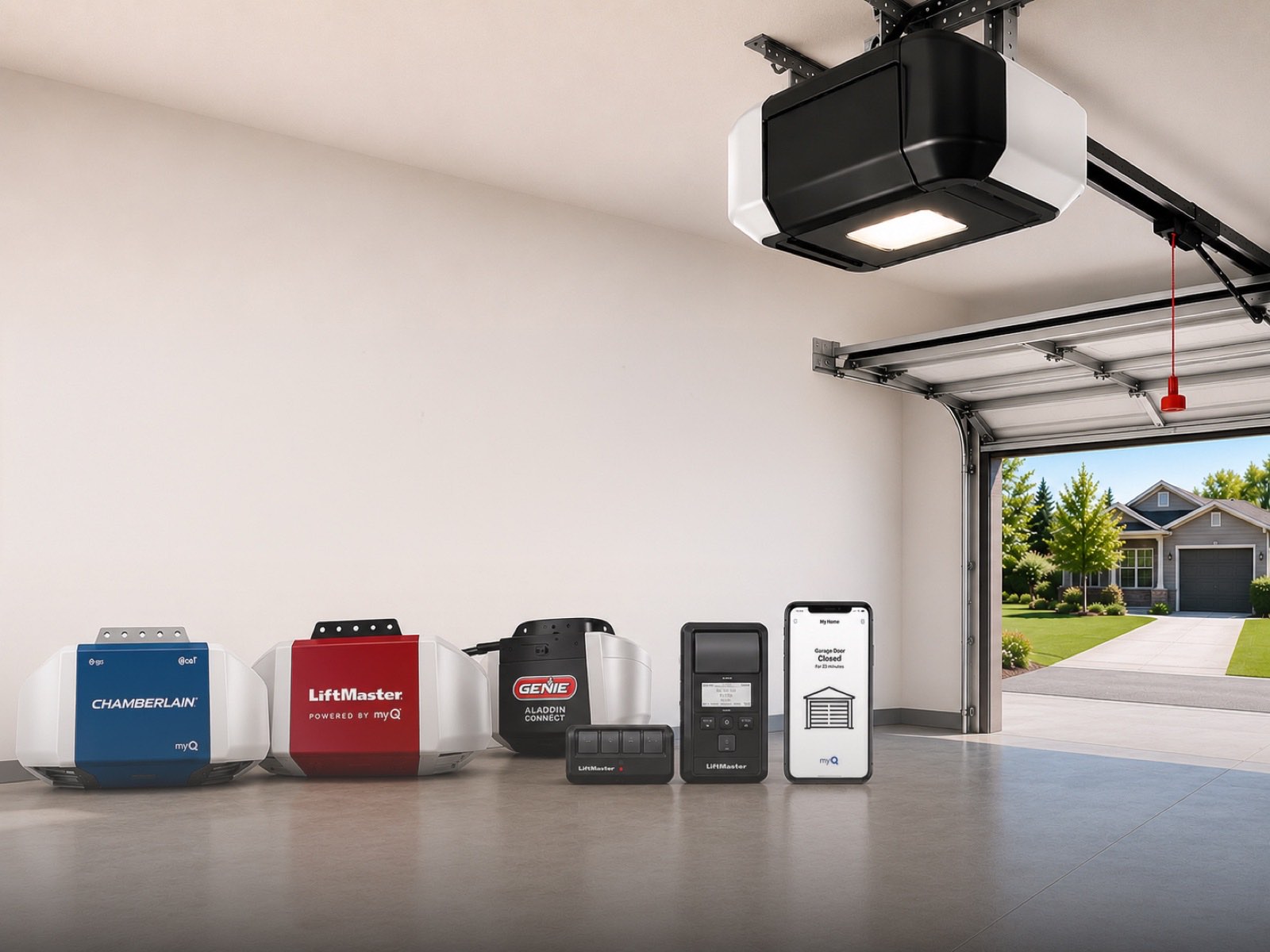
- Smartphone control. Open, close and check the door from an app. Genuinely useful for letting in deliveries or checking you closed the door after leaving.
- Battery backup. The door still works during a blackout. Worth it if the garage is your main entry.
- Soft start and stop. Reduces wear on the door and cuts noise dramatically.
- Safety beams. Photo-electric sensors that reverse the door if anything crosses the opening. Essential with kids and pets.
Brands we install
We supply and fit Merlin and B&D openers, plus TMT Automation for gates, chosen because parts and warranty support are strong in Australia. We also service and repair most other brands already installed in Sydney homes.
What an opener costs
Expect roughly $600 to $1,600 installed, depending on drive type, motor power and features. Chain drives sit at the lower end; belt drives with wifi and battery backup at the upper end. If the whole door is due for replacement, bundle the two; our cost guide covers full pricing.
Belt, chain and roller motors at a glance
The three drive types condensed into one view. Noise and price are the rows that decide it for most Sydney households; the drive type has to match your door style, so that row rules options in or out first.
| Belt drive | Chain drive | Roller drum motor | |
|---|---|---|---|
| Noise | Very quiet | Noticeable | Moderate |
| Door type | Sectional and tilt | Sectional and tilt | Roller doors only |
| Where it shines | Garages near bedrooms and living areas | Detached garages, budget builds | Low headroom, clear ceilings |
| Price position | Upper end of the $600–$1,600 installed range | Lower end of the range | Mid-range |
Whichever drive you choose, the feature list (rolling code, battery backup, app control) matters more to daily life than the drive type itself, so compare like for like when weighing quotes.
Matching the opener to your home
- Garage under or beside bedrooms. Belt drive with soft start and stop is the difference between waking the house at 5:30am and nobody noticing. This is the most common setup we fit in two-storey homes across the Hills District, from Castle Hill to Kellyville.
- Detached or rear garage. A chain drive does the job for less, and the savings can go towards a wireless keypad instead.
- Townhouses and strata properties. Replacing a motor like for like is usually straightforward, but changing the door itself, or anything visible from the street, can need strata approval. Check your by-laws before committing to an upgrade.
- Garage as the main entry. Battery backup stops a blackout from locking you out, and is worth prioritising over cosmetic extras.
- Coastal suburbs. Salt air is hard on external keypads, sensors and fixings. On the Northern Beaches and other beachside areas we position hardware out of the weather where possible and check it at every service.
How a professional installation runs
Fitting an opener is usually a half-day job, and the order of operations matters more than the badge on the box:
- Door check first. We test the door's balance and condition before anything is bolted up. Automating an unbalanced door just transfers its problems to a brand-new motor.
- Mount and align. The rail or drum motor is fitted square to the door so the drive is never fighting sideways loads.
- Set travel and force limits. The opener learns exactly where closed and open are, and how much force is normal, so it can reverse the moment something is wrong.
- Safety test. We run the reverse-on-contact and photo-beam tests before handover, the same checks we recommend in our maintenance guide.
- Handover. Remotes are coded, the app is connected if the model supports it, and we show you the manual release so a blackout never catches you out.
If you would like a recommendation matched to your actual door and garage, book a free on-site inspection and we will size the motor properly rather than guessing from a phone call.
Frequently asked questions
Can my existing door be automated?
Almost always, as long as the door is balanced and in good condition. We check the door first; automating a worn door just transfers its problems to the new motor.
How long does an opener last?
Ten to fifteen years is typical with regular servicing. Remotes and batteries are consumables along the way.
Can you add extra remotes or a keypad?
Yes. Extra remotes, wireless keypads and smart-home integration can be added to most modern openers we install.